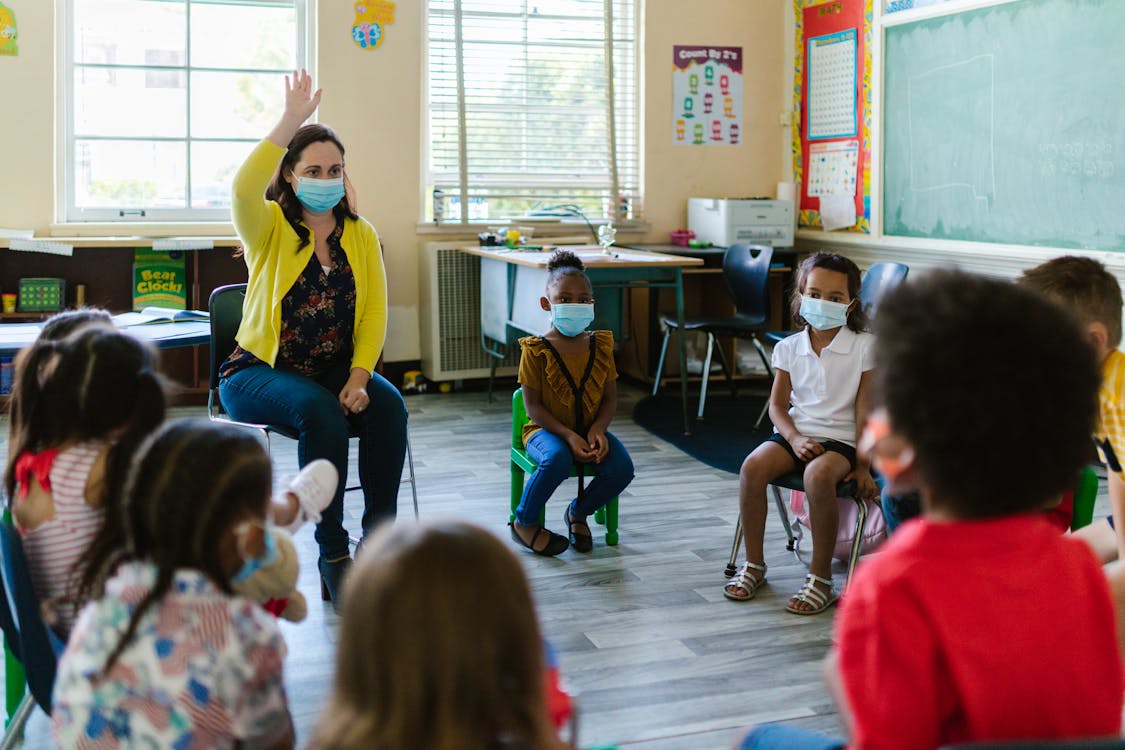
Nursery schools play a critical role in the development of social skills in young children. The early years are a crucial period for socialisation, and attending a nursery school can provide numerous opportunities for children to interact, communicate, and build relationships. Here’s how nursery schools contribute to the development of these essential skills.
Structured Social Environment
Nursery schools provide a structured environment where children can interact with their peers in a safe and supervised setting. This structure helps children learn the norms and expectations of social behaviour, such as sharing, taking turns, and cooperating with others. The predictable routines and clear guidelines in nursery schools create a stable and supportive atmosphere where children feel secure to explore and engage with their peers.
Key Social Behaviours Learned
- Sharing and Cooperation: Through activities and group play, children learn to share resources and work together toward common goals.
- Taking Turns: Structured games and activities teach children the importance of waiting for their turn and respecting others’ time.
- Following Directions: Adhering to instructions from teachers helps children understand the importance of rules and order.
Encouraging Communication Skills
One of the primary benefits of nursery school is the development of communication skills. Children are encouraged to express their thoughts and feelings, listen to others, and engage in conversations. These interactions help children develop both verbal and non-verbal communication skills, which are crucial for effective social interaction. The diverse communication opportunities in nursery schools, from storytime to interactive play, provide children with a robust foundation for language development.
Communication Activities
- Group Discussions: Regular group activities where children discuss various topics help improve their ability to articulate thoughts and understand others.
- Storytelling Sessions: Listening to and telling stories enhance listening skills and vocabulary.
- Interactive Play: Engaging in role-play and other interactive games fosters the use of language in different contexts.
Building Emotional Intelligence
Nursery schools also play a significant role in developing emotional intelligence in young children. Through various activities and interactions, children learn to recognize and manage their own emotions, as well as understand and empathise with the emotions of others. Emotional intelligence is crucial for social interactions and helps children build strong, healthy relationships.
Emotional Skills Developed
- Self-Awareness: Activities that encourage children to reflect on their feelings help them understand and label their emotions.
- Empathy: Collaborative tasks and discussions about feelings promote understanding and compassion for others.
- Emotional Regulation: Techniques such as deep breathing or quiet time help children manage their emotions effectively.
Promoting Positive Relationships
In a nursery school setting, children have the opportunity to form and maintain positive relationships with their peers and teachers. These early relationships are foundational for developing trust, respect, and a sense of belonging. Positive interactions in nursery school help children build confidence and social competence. Teachers play a crucial role in modelling positive behaviours and guiding children in building healthy, respectful relationships.
Relationship-Building Activities
- Group Projects: Working together on projects fosters teamwork and mutual respect.
- Peer Collaboration: Pairing children for tasks encourages them to develop friendships and cooperative skills.
- Teacher-Child Interactions: Positive and supportive interactions with teachers help children feel valued and understood.
Conflict Resolution Skills
Conflict is a natural part of social interaction, and nursery schools provide a safe space for children to learn and practice conflict resolution skills. Teachers guide children in resolving disputes, negotiating, and finding solutions, which helps them develop critical problem-solving and interpersonal skills. Learning to manage conflicts constructively is essential for future social interactions and relationships.
Enhancing Play-Based Learning
Play is a vital part of early childhood education, and nursery schools incorporate play-based learning to enhance social skills development. Through both structured and unstructured play, children learn to interact, cooperate, and develop social norms. Play provides a natural and enjoyable way for children to practise social interactions and build friendships.
Types of Play
- Dramatic Play: Role-playing different scenarios helps children understand social roles and develop empathy.
- Cooperative Games: Games that require teamwork teach children the value of working together.
- Free Play: Unstructured playtime allows children to explore their interests and build social connections at their own pace.
Nursery schools are instrumental in developing social skills in young children. By providing a structured environment, encouraging communication, building emotional intelligence, promoting positive relationships, teaching conflict resolution, and enhancing play-based learning, nursery schools lay the foundation for successful social interactions in later life.